Keeping kids active is about so much more than organized sports. Movement gives children an opportunity to build strength, confidence, coordination, and healthy habits that can stay with them as they grow. In a world where screens and busy schedules can easily take over, finding engaging ways to get children moving can make a meaningful difference in their physical and emotional wellbeing.
Fortunately, families have plenty of opportunities to incorporate movement, play, and nutritious habits into everyday life. From structured athletic training to recreational activities and convenient nutrition options, Oklahoma City and the surrounding metro offer a variety of ways to help children stay active while having fun.
The goal isn’t to turn every child into a competitive athlete. It is to help kids discover movement they genuinely enjoy and create a positive relationship with physical activity.
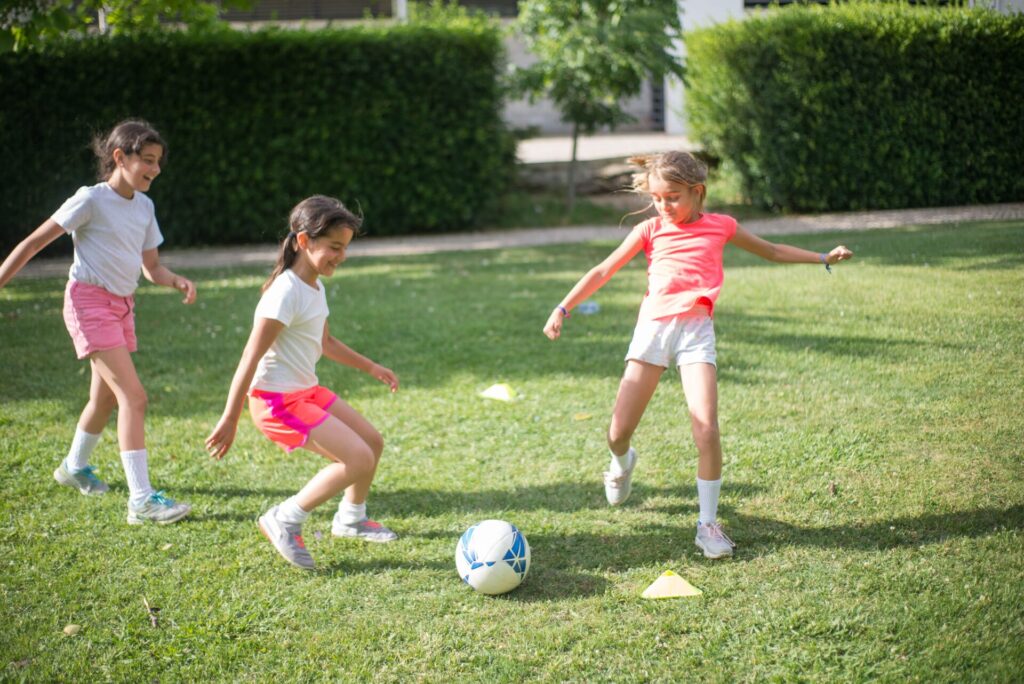
Why Movement Matters for Kids
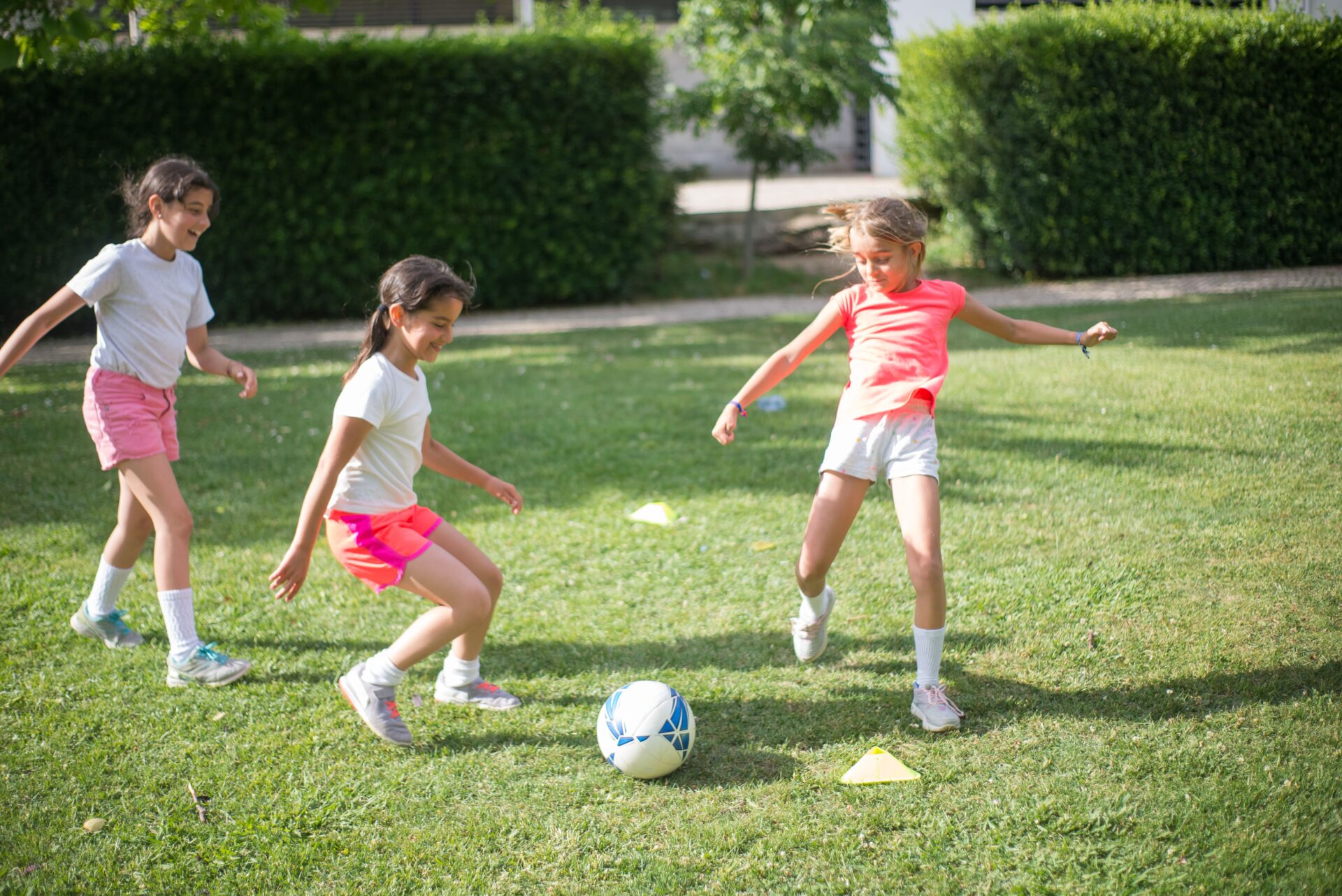
Children are naturally designed to move. Running, jumping, climbing, throwing, dancing, and playing all help develop physical skills while giving kids opportunities to explore what their bodies can do.
Regular physical activity can support:
- Stronger muscles and bones
- Cardiovascular health
- Coordination and balance
- Motor skill development
- Healthy sleep
- Stress management
- Confidence and self-esteem
Movement can also be an important outlet for emotions. Active play gives children a chance to release energy, connect with others, and take a break from the pressures of school and daily routines.
Rather than focusing exclusively on performance, parents can encourage children to view activity as something enjoyable and rewarding.
Finding Activities for Kids That Feel Like Fun
The best exercise for a child is often the activity they actually want to do.
Not every child will love competitive sports, and that’s completely okay. Some children thrive in team environments, while others prefer individual activities or unstructured play.
When exploring activities for kids, consider their personality, interests, and comfort level. You might try:
- Youth sports
- Swimming
- Dance
- Martial arts
- Gymnastics
- Hiking
- Biking
- Pickleball
- Playground adventures
- Family walks
Giving children opportunities to explore different activities allows them to discover what they enjoy without feeling pressured to specialize too early.
Local Spotlight: D1 Training Edmond
For children who enjoy structured athletic training, D1 Training Edmond offers a performance-focused environment designed to help young athletes build strength, confidence, and athletic skills.
D1 Training’s youth programming combines age-appropriate strength and conditioning with athletic development. Training can help young athletes develop movement skills that translate across sports while teaching them the value of consistency, effort, and teamwork.
Their approach can include:
- Strength and conditioning
- Speed and agility training
- Athletic performance development
- Sport-specific training
- Youth fitness programming
For families looking for structured activities for kids, a training environment like D1 can provide both physical challenges and opportunities for personal growth.
Play Is an Important Part of Performance
It can be tempting to think of athletic development as something that requires constant structure. But play remains one of the most valuable ways children develop movement skills.
Unstructured play allows kids to experiment, make decisions, solve problems, and develop coordination without worrying about whether they’re doing everything perfectly.
Climbing on playground equipment, chasing friends around a park, playing a backyard game, or learning a new recreational activity can all contribute to physical development.
For younger children especially, play should remain at the heart of their movement routine.
Local Spotlight: Hey Pickle Pickle
Looking for an activity that gets the whole family moving? Hey Pickle Pickle offers a fun, welcoming environment centered around pickleball, giving families another way to incorporate movement and recreation into their routines.
Pickleball can be an engaging activity for children because it combines movement, hand-eye coordination, and social interaction. It can also be enjoyed at different skill levels, making it an approachable option for families looking to try something new together.
For parents searching for OKC activities that combine fun and movement, recreational options like pickleball can offer a refreshing alternative to traditional youth sports.
The emphasis doesn’t have to be on competition. Learning a new skill, laughing with friends, and enjoying time away from screens can be valuable on their own.
Fueling Active Kids
Physical activity is only one part of a healthy lifestyle. Growing bodies also need adequate nutrition to support energy, recovery, concentration, and development.
Parents do not need to create a complicated nutrition plan for their children. Instead, focus on offering a variety of nutrient-dense foods throughout the day.
Balanced meals and snacks can include:
- Protein sources
- Fruits and vegetables
- Whole grains
- Healthy fats
- Dairy or appropriate alternatives
- Plenty of water
Children’s nutritional needs vary based on their age, growth, activity level, and individual health. Parents should work with a pediatrician or qualified nutrition professional when they have specific concerns about their child’s diet.
Local Spotlight: Five Plus Protein
Active kids need convenient ways to refuel, particularly when busy schedules include school, sports, and extracurricular activities.
Five Plus Protein offers protein-focused products designed to make nutritious fueling more convenient. Their offerings can provide families with options to consider when looking for practical ways to incorporate protein into an active lifestyle.
For parents, convenience can make a difference. Having nutritious options available can help make it easier to support consistent eating habits around busy activity schedules.
When choosing nutrition products for children, parents should consider age-appropriate portions and ingredients and consult their child’s healthcare provider when needed.
Creating a Healthy Relationship With Exercise
One of the most important things parents can do is avoid making physical activity feel like a punishment.
Exercise should not be framed as something children need to do because they ate a certain food or need to change their bodies. Instead, focus on the positive experiences movement can provide.
Talk about how activity can help kids:
- Feel strong
- Have fun
- Learn new skills
- Spend time with friends
- Explore new places
- Build confidence
This approach helps children develop a healthier relationship with movement that can continue into adolescence and adulthood.
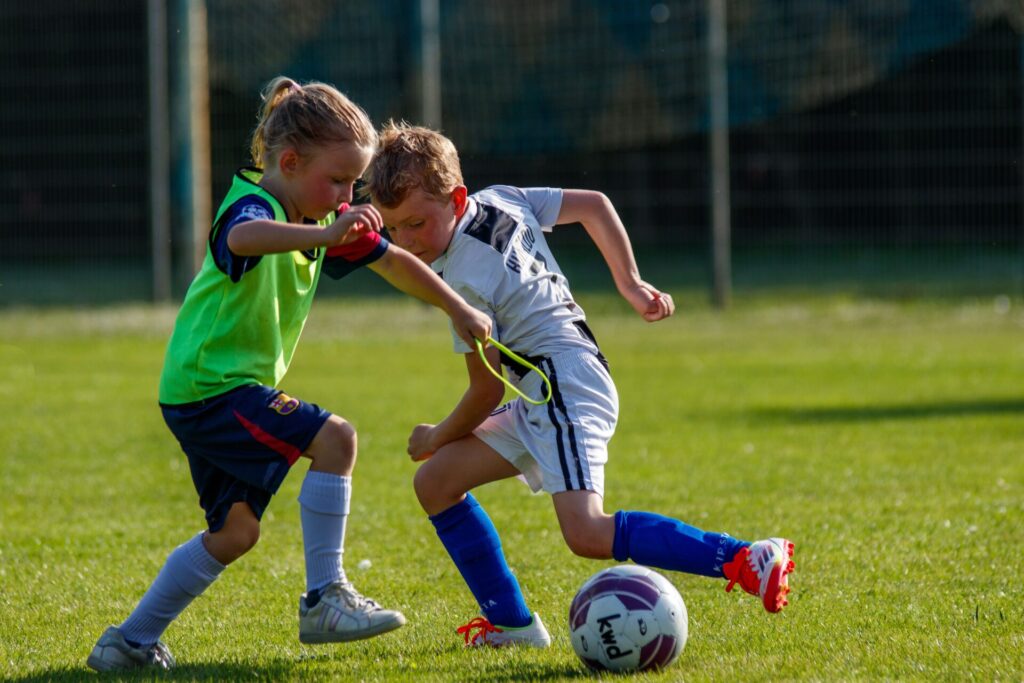
OKC Activities That Get the Whole Family Moving
Parents don’t have to rely entirely on organized programs to keep children active. Some of the best movement opportunities can happen as a family.
Oklahoma City and the surrounding communities offer countless ways to get outside and explore. Families can spend an afternoon at a park, take a bike ride, explore local trails, play a backyard game, or try a new recreational activity together.
Making movement a family experience removes some of the pressure from children and reinforces the idea that being active is simply part of everyday life.
Try creating a weekly family activity tradition, such as:
- Saturday morning walks
- Family bike rides
- Park adventures
- Backyard games
- Pickleball sessions
- Seasonal outdoor activities
These experiences create memories while helping everyone incorporate more movement into their routines.
Balance Structured Training With Free Play
For young athletes, finding the right balance is important.
Structured training can help children develop specific skills, but rest and unstructured play are equally valuable. Children need time for their bodies to recover and opportunities to simply enjoy being active without performance expectations.
Parents can help create balance by paying attention to signs of fatigue and making sure children have adequate time for sleep, nutrition, recovery, school, and social activities.
More training isn’t always better. Sustainable activity should support the whole child.
Helping Kids Build Confidence Through Movement
Physical activity can teach children lessons that extend far beyond the playing field.
Learning a new skill, missing a shot, trying again, and eventually improving can help children develop resilience. Team sports and recreational activities can also teach communication, cooperation, patience, and leadership.
These experiences can be especially valuable when parents focus on effort and progress rather than outcomes.
Celebrate the small victories:
- Learning a new skill
- Trying something unfamiliar
- Showing good sportsmanship
- Supporting a teammate
- Practicing consistently
- Having fun
When children feel successful in movement, they may become more willing to explore new activities for kids and challenge themselves in healthy ways.
Making Wellness a Family Lifestyle
Keeping kids healthy doesn’t have to involve a complicated checklist.
Movement, nutrition, sleep, social connection, and emotional wellbeing all work together. When families create an environment where these things are part of everyday life, children can learn healthy habits without feeling like wellness is another responsibility they have to manage.
Parents can model these habits by participating alongside their children. Go for the walk. Try the new activity. Play the game. Make the snack together.
Children often learn more from what they see than what they’re told.
Finding Your Family’s Favorite Way to Move
There is no single perfect activity for every child.
One child might fall in love with competitive sports while another discovers a passion for dancing, hiking, swimming, pickleball, or simply riding bikes around the neighborhood.
The goal is exploration.
By giving kids the opportunity to try different OKC activities, families can help children discover movement that feels exciting rather than obligatory. Those positive experiences can become the foundation for a lifelong relationship with physical activity.
Keep It Fun, Keep It Balanced
Helping children stay active is ultimately about creating positive experiences.
Whether you’re signing up for athletic training, trying pickleball as a family, exploring new recreational opportunities, or simply heading outside for an afternoon of play, every opportunity to move can contribute to a child’s overall wellness.
You don’t have to create the perfect routine. Start with what your child enjoys, make room for rest, provide nourishing foods, and celebrate progress along the way.
The most meaningful goal isn’t raising the fastest or strongest athlete. It’s helping children grow into healthy, confident individuals who understand that movement can be a source of joy, connection, and strength.
And sometimes, the best workout of all is simply getting out there and playing.