Autumn has a way of inviting us to slow down. The mornings feel cooler, evenings become cozier, and the shift in seasons offers a natural opportunity to reconsider our routines. A Sunday reset can help you welcome that change with intention, creating space to care for your body, prepare for the week ahead, and reconnect with what makes you feel good.
For women balancing careers, relationships, family responsibilities, and personal goals, wellness can easily become another item on an already crowded to-do list. But a reset does not need to involve an elaborate morning routine, a strict meal plan, or a long list of self-improvement goals. Sometimes, the most meaningful rituals are the simplest ones: moving your body, preparing nourishing meals, refreshing your skincare routine, and giving yourself permission to rest.
This autumn, think of your Sunday reset as a gentle transition between the week that has passed and the one ahead. With a few thoughtful habits and support from local wellness businesses, you can create a routine that feels restorative rather than demanding.
Why a Sunday Reset Supports Women’s Health
A consistent Sunday reset can provide structure, reduce the mental load of planning, and make healthy habits easier to maintain. Instead of waking up Monday morning feeling behind, you can begin the week with a clearer sense of what matters and a few practical steps already in place.
Women’s health encompasses physical, mental, and emotional well-being, all of which can be influenced by daily routines. Sleep, movement, nutrition, stress management, and preventive care each play a role in supporting overall health.
The changing seasons can also affect our schedules. Shorter days, cooler weather, and busier calendars may make it tempting to spend less time outdoors or abandon movement routines that felt natural during summer. A Sunday reset helps you adapt rather than start over.
Your routine might include:
Planning a few balanced meals for the week.
Scheduling workouts or restorative movement.
Setting aside time for skincare and personal care.
Organizing your calendar and prioritizing essential tasks.
Creating space for relaxation, connection, and quality sleep.
The goal is not to make every Sunday productive. It is to make the beginning of your week feel a little more supported.
Your Sunday Reset Starts With a Gentle Morning
Before opening your inbox or scrolling through social media, give yourself a few minutes to arrive in the day.
Autumn mornings are ideal for creating a slower start. Brew your favorite warm drink, open the curtains, step outside for a few deep breaths, or spend a few minutes journaling. If your schedule allows, resist the urge to immediately fill the morning with errands.
You do not need a perfect wellness routine to experience the benefits of a more intentional start. Even ten minutes without distractions can help create a sense of space before the week begins.
Try asking yourself three questions:
What felt good about last week?
What felt stressful or unnecessarily complicated?
What is one thing I can do to support myself this week?
These questions shift the focus from constantly trying to improve yourself to noticing what you need. Maybe you need to schedule more downtime, prepare lunches in advance, ask for help with a responsibility, or make room for an activity you enjoy.
A reset should support your life, not become another standard you feel obligated to meet.
Move Your Body in a Way That Feels Good
Movement is one of the most valuable parts of a Sunday reset, but it does not have to mean an intense workout. Depending on your energy and fitness goals, your Sunday movement might be a neighborhood walk, a strength session, gentle stretching, yoga, or a coached group workout.
The key is to choose movement that supports your body instead of treating exercise as something you must do to compensate for what you ate or how you spent the weekend.
Try a More Intentional Approach to Mobility
Cooler weather can make it especially appealing to curl up indoors, but regular movement remains important for maintaining strength, flexibility, balance, and everyday function.
If your body feels stiff after a busy week at a desk, in the car, or on your feet, a dedicated stretching session may be a useful addition to your routine.
StretchLab in Oklahoma City offers personalized one-on-one assisted stretching. Sessions are guided by trained Flexologists and tailored to individual movement needs, with an emphasis on flexibility, mobility, and moving more comfortably in everyday life. The studio also offers a personal movement assessment to help identify areas that may benefit from focused attention.
Making mobility part of your Sunday reset can be a way to check in with your body before another busy week. You might notice tightness in your hips after sitting for long periods or tension in your shoulders after working at a computer. Gentle movement and regular breaks throughout the week can help you build a more consistent approach to physical care.
If you experience persistent pain, significant stiffness, or a recent injury, seek appropriate professional guidance rather than trying to stretch through the discomfort.
Make Your Workout a Calendar Commitment
If structured exercise helps you stay consistent, use Sunday to schedule your workouts before the week fills up.
Orangetheory Fitness offers coach-led group workouts combining cardiovascular exercise, rowing, and strength training. Its heart-rate-based interval training approach helps participants monitor their effort and work toward endurance, strength, and power goals.
The Orangetheory Fitness Yukon studio and Orangetheory Fitness Moore studio give local residents options for incorporating structured exercise into their routines. Both studios offer coached classes designed to accommodate different fitness levels, allowing participants to work at an appropriate pace.
During your Sunday reset, check your calendar and choose realistic workout times. Three sessions you can consistently attend may be more helpful than planning six sessions that leave you feeling overwhelmed.
Remember that rest days are part of a balanced fitness routine, too. Your body needs time to recover, and your ideal weekly schedule should reflect your current fitness level, health needs, and energy.
Plan Nourishing Meals Without Overcomplicating Food
One of the easiest ways to make Monday feel less chaotic is to decide what you will eat before the week begins.
You do not need to prepare seven days of elaborate meals or follow a restrictive seasonal eating plan. Instead, identify a few reliable meals and snacks that help you feel nourished and energized.
Start with a quick look at your schedule. Which days will be especially busy? When will you have time to cook? Would preparing a few ingredients ahead of time make weeknight meals easier?
Consider keeping simple staples available, such as:
Protein sources like eggs, beans, lentils, fish, poultry, tofu, or yogurt.
Fruits and vegetables that are easy to prepare.
Whole grains or other satisfying carbohydrate sources.
Nuts, seeds, and other sources of healthy fats.
Convenient snacks for busy afternoons.
Autumn is a lovely season to enjoy hearty soups, roasted vegetables, warm grain bowls, and comforting breakfasts. These foods can make meals feel seasonal without requiring a complete dietary overhaul.
Try preparing one soup, washing and chopping vegetables, cooking a grain, or portioning a few snacks. Small preparations can reduce decision fatigue and make nourishing choices easier when your schedule becomes demanding.
Most importantly, leave room for flexibility. Your needs may change with your activity level, appetite, schedule, and health. Food should support your life, not become another source of pressure.
What an Autumn Detox Really Needs to Look Like
The phrase “autumn detox” often appears in wellness conversations as the seasons change. It may suggest juice cleanses, restrictive meal plans, or supplements marketed as a way to flush out toxins.
But your body already has systems that process and eliminate waste, including the liver, kidneys, lungs, and digestive tract. Most people do not need a special cleanse to support these functions.
A more useful approach to an autumn detox is to focus on habits that support your overall health.
That could mean drinking enough water, eating a varied diet, getting adequate sleep, moving regularly, moderating alcohol, and reviewing habits that leave you feeling depleted.
You can also use Sunday to reset your environment. Clear your kitchen counter, refill your water bottle, wash your workout clothes, or put your phone away earlier in the evening.
These simple actions may not sound dramatic, but they can make healthy routines easier to follow.
Be cautious with detox teas, aggressive cleanses, and supplements that promise rapid results. Some can cause unwanted side effects or interfere with medications. If you are considering a supplement or a major dietary change, speak with a qualified healthcare professional, especially if you have an existing health condition or take prescription medication.
A seasonal reset should leave you feeling cared for, not deprived.
Refresh Your Skincare Routine for Cooler Weather
Autumn can bring changes in temperature, humidity, and indoor heating, which may leave skin feeling drier or more sensitive. Your Sunday reset is a convenient time to check whether your current skincare routine still meets your needs.
Start with the basics: a gentle cleanser, moisturizer, and daily broad-spectrum sunscreen. Depending on your skin, you may benefit from adjusting the texture of your moisturizer or reducing products that leave your skin feeling irritated.
Avoid introducing several new active ingredients at once. A gradual approach makes it easier to notice how your skin responds and identify products that may be causing irritation.
For women interested in professional guidance, The Treatment Room offers personalized aesthetic and skincare services in Oklahoma City and Stillwater. Its services include customized facials, chemical peels, microneedling, and laser treatments, alongside other aesthetic and wellness options. The team emphasizes individualized care and helping clients understand their options.
A professional consultation may help you better understand your skin concerns and determine which treatments, if any, are appropriate. Not everyone needs advanced treatments to maintain healthy skin, and the best approach depends on your skin type, goals, and medical history.
You can also make your at-home routine feel more restorative by turning it into a small ritual. Put on comfortable clothes, take a few minutes to apply your skincare products without rushing, and treat the process as an opportunity to slow down rather than another task to complete.
Make Space for Mental and Emotional Rest
A Sunday reset should address more than your calendar and your physical surroundings. Your mental and emotional well-being deserve attention, too.
When life becomes busy, it is easy to carry unfinished tasks, difficult conversations, and next week’s worries into the evening. Creating a small transition ritual can help you acknowledge those concerns without allowing them to occupy every available moment.
Try one or two of these ideas:
Write down your priorities for the coming week so you do not have to keep mentally rehearsing them.
Spend time with a friend or loved one without multitasking.
Read, crochet, listen to music, or return to a hobby you enjoy.
Take a walk outdoors and notice the changing colors and cooler air.
Set a reasonable time to stop working and begin winding down for bed.
You might also try a brief reflection exercise. Write down one thing you are grateful for, one thing you are ready to release, and one thing you want to make room for.
This is not about forcing yourself to feel positive when you are tired or stressed. It is about giving your experiences a little space and recognizing what would help you feel supported.
If stress, anxiety, low mood, or exhaustion are persistent and affecting daily life, seeking professional support is a meaningful form of self-care. You do not have to wait until you reach a breaking point to ask for help.
Create a Sunday Reset Routine You Can Actually Maintain
The best Sunday reset is one that fits your real life. Some weekends will leave you with plenty of time for movement, meal preparation, and personal care. Others will be full of family commitments, travel, work, or much-needed rest.
Rather than trying to do everything, create a simple routine that you can adjust from week to week.
Here is one example:
Morning: Enjoy a slow breakfast, spend a few minutes journaling, and take a walk or complete a gentle movement session.
Early afternoon: Prepare a few meal components, organize your calendar, and complete one small household task.
Late afternoon: Schedule workouts for the week, stretch, or enjoy a restorative activity.
Evening: Refresh your skincare routine, prepare what you need for Monday, and create a calming wind-down ritual.
You can complete this routine in a few hours or spread it across the day. If you only have 30 minutes, choose the activities that will make the greatest difference to your week.
The point is not to earn your rest by completing a checklist. It is to make room for both preparation and pleasure.
Welcome Autumn With More Intention
A Sunday reset can be a simple way to care for yourself as the seasons change. It gives you a chance to notice what your body needs, establish routines that support your health, and enter a new week with a little more clarity.
From personalized stretching at StretchLab Casady Square to structured workouts at Orangetheory Fitness and individualized skincare at The Treatment Room, Oklahoma City offers local resources that can complement your own wellness practices.
But you do not need to book an appointment, buy a new product, or completely reorganize your life to begin. Start with one small habit that makes you feel more supported. Prepare a nourishing meal, take a walk, set aside time for rest, or give yourself a calmer start to Monday.
Your Sunday reset is not about becoming a more productive version of yourself. It is about creating a life in which your health, needs, and happiness have room to matter.
As autumn unfolds, give yourself permission to build a routine that feels good, adjust it when life changes, and remember that caring for yourself is worthwhile even when you cannot do it all.
Mental wellness is an essential part of living a healthy, fulfilling life, yet it can be easy to overlook when work, relationships, family responsibilities, and everyday stress compete for our attention. Whether you are navigating anxiety, feeling emotionally exhausted, adjusting to a major life transition, or simply hoping to feel more grounded, prioritizing your mental wellness is a meaningful step toward feeling like yourself again.
For many people, knowing where to begin is the hardest part. Should you talk with a therapist? Consider psychiatric care? Look at lifestyle factors that may be affecting your mood and energy? The answer depends on your individual needs, and there is no single path that works for everyone.
Fortunately, mental health in OKC is supported by providers offering different forms of care, including psychotherapy, psychiatric services, and personalized medical wellness. Resilient Psychotherapy & Psychiatric Services and Shared Wellness MD are two local practices that can help residents explore different aspects of their health.
The most important thing to remember is that you do not have to wait until you are overwhelmed to seek support. Mental wellness deserves attention during difficult seasons and during the ordinary moments when you want to understand yourself better.
What Does Mental Wellness Really Mean?
Mental wellness is about more than the absence of a mental health condition. It also involves how you manage stress, navigate relationships, respond to challenges, and find meaning in your daily life.
It does not mean feeling happy all the time or having every part of your life figured out. Difficult emotions are a normal part of being human. Grief, frustration, uncertainty, disappointment, and anxiety can all arise in response to life’s circumstances.
Mental wellness is better understood as an ongoing process of developing awareness, building coping skills, maintaining supportive relationships, and seeking help when needed.
It can involve learning to recognize your emotional patterns, setting boundaries, improving communication, or understanding why certain situations feel particularly difficult. For someone else, it may mean finding effective treatment for anxiety, depression, attention difficulties, or trauma-related symptoms.
A few everyday practices can support this process:
Consistent sleep: A regular sleep routine can support mood, concentration, and daily functioning.
Movement: Walking, strength training, stretching, and other enjoyable activities can be part of a balanced wellness routine.
Social connection: Spending time with trusted people can help reduce isolation and provide opportunities for support.
Stress management: Journaling, breathing exercises, time outdoors, or creative hobbies can create space to decompress.
Professional support: Therapy and psychiatric care can provide individualized guidance when concerns are difficult to manage alone.
These practices are not substitutes for treatment when treatment is needed. Instead, they can complement appropriate care and help create a stronger foundation for overall well-being.
When Is It Time to Seek Mental Health Support?
One common misconception is that therapy or psychiatric care is only for people experiencing a crisis. In reality, professional support can be valuable at many different points in life.
You might be functioning well at work but feeling emotionally depleted when you get home. You may be struggling with a relationship, carrying unresolved grief, or noticing that worry is taking up more of your day than it used to. Perhaps you have experienced a significant life change and are having trouble adjusting.
You do not need to wait until these challenges interfere with every area of your life before asking for help.
Consider reaching out to a qualified mental health professional if you notice:
Persistent sadness, worry, irritability, or emotional exhaustion.
Difficulty sleeping or concentrating that affects daily life.
Changes in motivation, appetite, or your ability to enjoy activities.
Relationship patterns that repeatedly cause distress.
Grief, trauma, or a major transition that feels difficult to navigate.
Stress that is becoming harder to manage with your usual coping strategies.
Attention or mood concerns that interfere with work, school, or relationships.
These experiences can have many causes, and a professional can help you explore what may be contributing to them.
Seeking help is not an admission that you have failed to handle life. It is a way to gain support, develop new tools, and better understand what you need.
Finding Mental Wellness Support in Oklahoma City
Choosing a mental health provider can feel intimidating, especially if you have never been to therapy or received psychiatric care before. Understanding the different types of support available can make the process less overwhelming.
Psychotherapy provides a structured setting to explore thoughts, emotions, behaviors, relationships, and life experiences. Depending on the provider’s training and approach, sessions may focus on developing coping strategies, changing unhelpful patterns, processing difficult experiences, or working toward personal goals.
Psychiatric care involves the evaluation and treatment of mental health conditions. Depending on the clinician and the patient’s needs, care may include diagnostic assessment, medication management, and coordination with psychotherapy.
Some people benefit from therapy alone, some from psychiatric treatment, and others from a combination of approaches. A qualified provider can help you understand your options based on your symptoms, preferences, and medical history.
When researching mental health providers in OKC, look for relevant credentials, experience with your concerns, clear communication, and a treatment approach that feels appropriate for you. It is also reasonable to ask about appointment availability, insurance, fees, privacy, and whether in-person or telehealth appointments are offered.
The relationship matters, too. You should feel that your concerns are taken seriously and that you can ask questions about your care.
Resilient Psychiatry: Personalized Support for Mental Health
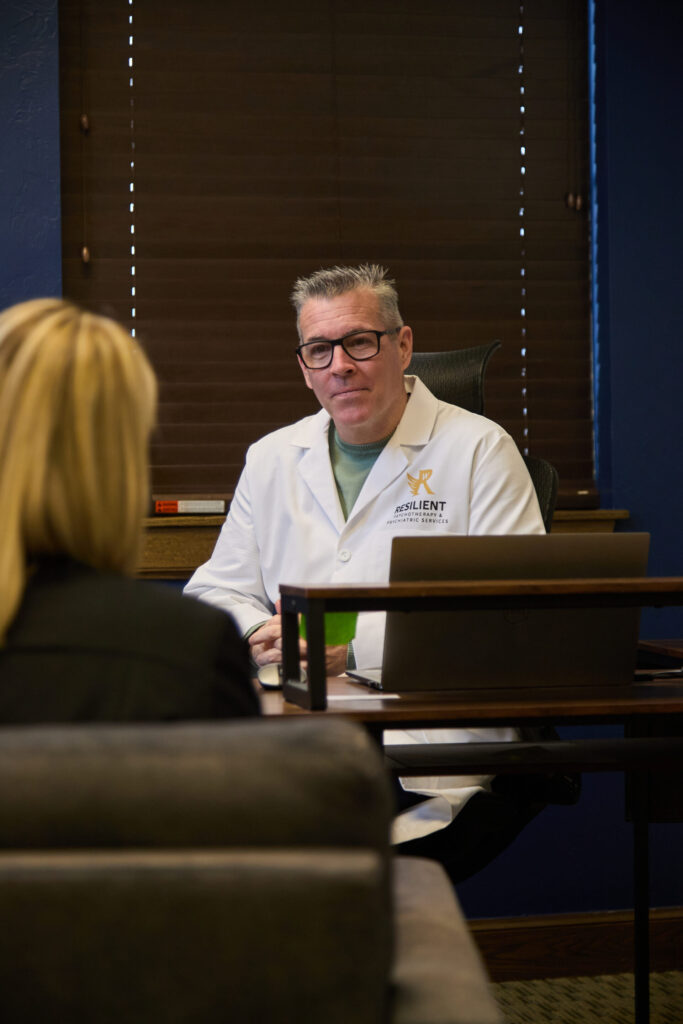
For Oklahoma City residents looking for professional mental health support, Resilient Psychotherapy & Psychiatric Services offers adult mental health services with an emphasis on individualized care, confidentiality, and compassion.
The practice’s services address concerns including anxiety, attention difficulties, grief and loss, chronic pain-related distress, and other mental health challenges. Its approach may include evidence-based psychotherapy and medication management, depending on the individual’s needs. The practice also offers in-person appointments in Oklahoma City and telehealth services.
One important part of Resilient’s philosophy is recognizing that mental health concerns do not always look the same from person to person. Two people experiencing anxiety, for example, may have different triggers, life circumstances, and goals for treatment. A personalized approach allows those differences to inform the care process.
Therapy Is More Than Talking About Problems
Although talking is part of psychotherapy, therapy can also involve developing practical skills and understanding patterns that influence everyday life.
Depending on your goals, sessions may help you explore questions such as:
Why do certain situations trigger a strong emotional response?
How can I communicate my needs more clearly?
What makes it difficult to establish or maintain boundaries?
How do I respond to stress without becoming overwhelmed?
What patterns keep showing up in my relationships?
What strategies might help me manage anxiety or attention difficulties?
You and your therapist can work together to identify goals and determine what approaches may be useful. Progress can take time, and the process may involve adjusting strategies as you learn more about yourself.
Medication management may also be appropriate for some people. A psychiatric provider can discuss potential benefits, risks, side effects, and alternatives while considering your individual health history.
Therapy and medication are not competing approaches. Depending on the situation, they may be used separately or together as part of a broader treatment plan.
If you are considering professional support, you can contact Resilient through their website to learn more about services, availability, and scheduling.
Understanding the Connection Between Physical Health and Mental Wellness
Mental and physical health influence one another in complex ways. Sleep difficulties, chronic pain, hormonal changes, medication effects, and ongoing medical concerns can all intersect with emotional well-being.
This does not mean every mental health concern has a physical cause. It does mean that a thoughtful approach to wellness may involve considering both psychological and physical factors.
For example, persistent fatigue can have many possible explanations, including sleep disruption, stress, medication effects, and medical conditions. Rather than assuming the cause, it is worth discussing ongoing symptoms with an appropriate healthcare professional.
Similarly, people experiencing changes in mood, sleep, energy, or concentration may benefit from discussing both their mental health and any relevant physical symptoms with their care team.
The goal is to avoid treating health as a collection of completely separate parts.
Shared Wellness MD: Exploring the Physical Side of Well-Being
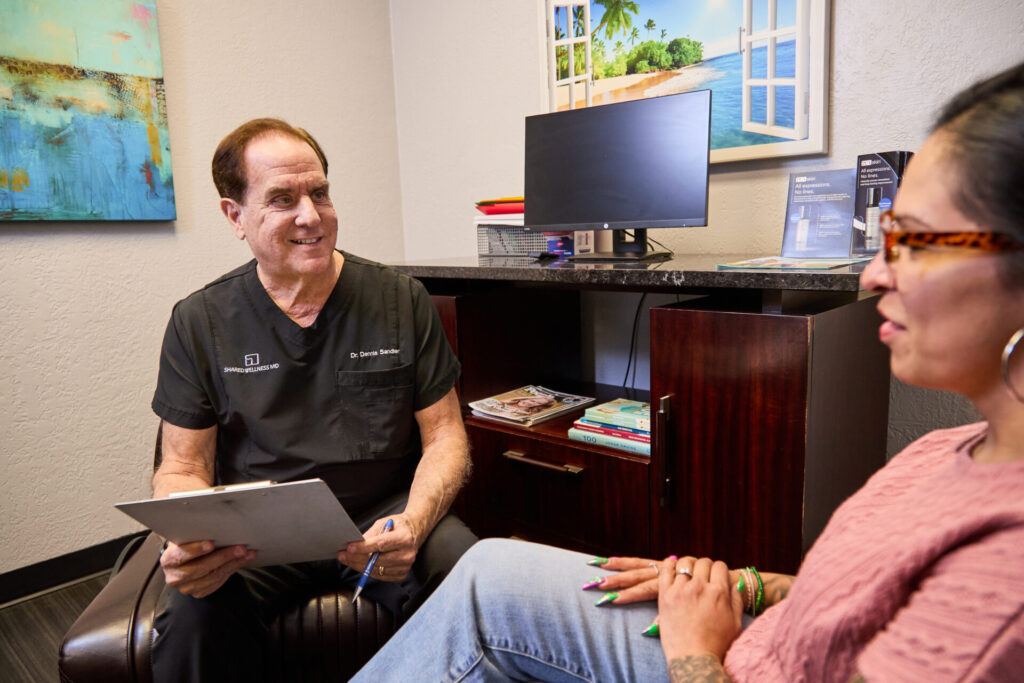
Shared Wellness MD in Oklahoma City offers personalized medical care focused on gynecology, hormonal optimization, thyroid health, and weight management. The practice is led by Dr. Dennis Sandler, a board-certified OB/GYN with more than 30 years of experience. Its approach emphasizes listening to patients and considering their individual medical histories, symptoms, and concerns.
Although Shared Wellness MD is not a substitute for specialized mental health treatment, its work with hormonal and other medical concerns can be relevant to the broader conversation about whole-person wellness.
Hormones help regulate many bodily functions, and changes in hormonal health can coincide with symptoms such as sleep disruption, low energy, and mood changes. These symptoms can have multiple explanations, so it is important not to assume that hormones are the cause without an appropriate evaluation.
Shared Wellness MD offers hormonal evaluations and care for certain thyroid-related concerns, using clinical assessment and laboratory information as part of its approach.
For someone experiencing changes in mood alongside physical symptoms, speaking with a qualified medical provider may help determine whether further evaluation is appropriate. Depending on the concern, that conversation may complement therapy or psychiatric care rather than replace it.
The broader takeaway is that you do not need to choose between caring for your physical health and your mental wellness. Both deserve attention, and different professionals can contribute their expertise when your needs call for it.
Everyday Habits That Can Support Mental Wellness
Professional care can be an important part of mental health, but your everyday environment and routines matter, too.
You do not need to adopt an elaborate wellness routine to begin supporting yourself. Start with small, realistic habits that fit your current circumstances.
Create Space for Rest
A busy schedule can make rest feel optional, especially when responsibilities seem endless. Try establishing a consistent bedtime, creating a calming evening routine, or giving yourself a short break between work and personal obligations.
If sleep difficulties persist or significantly affect your functioning, consider discussing them with a healthcare professional.
Find Movement You Enjoy
Movement can be a helpful part of a wellness routine, particularly when it feels enjoyable rather than punitive. A walk around your neighborhood, a dance class, a strength workout, or gentle stretching can offer an opportunity to reconnect with your body and take a break from daily demands.
You do not have to exercise intensely to make movement part of your life.
Set Boundaries Around Your Energy
Mental wellness can become more difficult to maintain when you consistently agree to responsibilities that exceed your capacity.
Consider where you may need clearer boundaries, whether that means protecting time away from work, limiting unnecessary commitments, or communicating your needs more directly.
Boundaries are not about controlling other people. They are about understanding what you can reasonably offer while respecting your own needs.
Stay Connected
Relationships can be a meaningful source of encouragement and belonging. Make time for people who allow you to be honest about how you are doing, and remember that connection does not have to involve elaborate plans. A conversation, shared meal, or short walk can be enough to help you feel less alone.
Give Yourself Permission to Ask for Help
Sometimes the most useful next step is not another habit. It is reaching out.
That might mean talking with a trusted friend, scheduling an appointment, asking a provider about treatment options, or admitting that a challenge has become difficult to manage on your own.
You do not have to solve everything before you deserve support.
Choosing the Right Next Step for Your Mental Health
There is no universal roadmap to mental wellness. Your needs may change as your circumstances, relationships, health, and responsibilities evolve.
If you are not sure where to start, consider what feels most difficult right now. Are you struggling with persistent anxiety, sadness, trauma, or attention concerns? A mental health professional may be a good first contact. Are you noticing physical symptoms alongside changes in mood or energy? A medical evaluation may also be appropriate.
You can ask potential providers about their experience with your concerns, how they approach treatment, and what to expect during an initial appointment. You are allowed to ask questions and seek clarification before deciding whether a provider is the right fit.
And if your first experience does not feel right, that does not mean support will never work for you. Finding the right provider and approach can take time.
If you or someone you know is in immediate danger or experiencing a mental health crisis, call 911 or go to the nearest emergency department. In the United States, you can also call or text 988 to reach the Suicide & Crisis Lifeline for free, confidential support.
You Deserve Support, Not Just Survival
Mental wellness is not about being calm, productive, or positive every moment of the day. It is about having support and tools that help you navigate the full range of human experience.
For those exploring mental health in OKC, local resources such as Resilient Psychotherapy & Psychiatric Services and Shared Wellness MD offer different forms of care that may contribute to a more complete understanding of personal well-being. One focuses on psychotherapy and psychiatric services, while the other provides medical care that includes hormonal and thyroid health.
You do not have to wait for a crisis, and you do not need to have the perfect words to explain what you are feeling. Start with the concern that is most present for you today. Ask a question, reach out to a provider, or tell someone you trust that you could use a little support.
Your mental wellness matters just as much as your physical health. Wherever you are starting from, you deserve compassionate care, room to grow, and the opportunity to build a life that feels more manageable and meaningful.
The modern health food aisle presents a deceptive paradox. Brightly packaged snacks promise vitality, yet a glance at the label reveals highly processed ingredients, excess sugar, and common gut irritants. Oklahomans Joel and Lynda Montesano reached a breaking point with these sub-par options, opting instead to engineer a solution of their own. Their brand, Five Plus Protein, crafts premium wellness snacks designed to feed the body without causing systemic distress. Their signature creations, known as Later Bars, deliver essential daily fuel while honoring strict biological standards.
The catalyst for this nutritional evolution was deeply personal, rooted in Lynda’s own high-stakes wellness journey. She faced a life-altering turning point when she received diagnoses of hypothyroidism and lupus. Chronic illness demands absolute precision in everyday routines. Systemic lupus erythematosus is a complex autoimmune condition characterized by a confused immune system that misidentifies healthy tissues as hostile invaders. This inward battle causes widespread, painful inflammation that can damage vital joints, skin surfaces, and internal organs.
Managing an autoimmune condition requires a comprehensive strategy where nutrition plays an absolutely vital role. Medical researchers widely recognize that certain dietary choices act as chemical triggers, shifting cellular inflammation into overdrive. Refined sugars, artificial additives, and chemical preservatives frequently exacerbate the delicate internal ecosystem of an autoimmune patient. Conversely, consuming dense, clean nutrients helps calm the hyperactive immune pathways. Lynda required clean, functional fuel that would support her daily strength without causing a painful physical flare-up or digestive bloating.
When Joel attempted to blend early batches in their family kitchen, the physical results were far from ideal. To match their meticulous standards, the duo collaborated with a Physician Assistant and a Registered Dietitian to finalize the clinical blueprint. Every single Later Bar meets five primary criteria. They are non-GMO, entirely vegan, completely free of gluten, packed with prebiotic fiber, and formulated with zero added sugar. These pillars safeguard consumers against the aggressive blood sugar crashes and gastrointestinal bloating that plague traditional wellness products.
The true genius of the recipe resides in its strategic inclusion of functional, anti-inflammatory botanicals. The baking process incorporates targeted amounts of turmeric, cinnamon, cacao, and warming ginger. Turmeric contains curcumin, a potent natural compound celebrated for its unique ability to modulate inflammatory pathways and neutralize oxidative stress at a cellular level. These botanicals are seamlessly paired with clean plant-based protein to build a comprehensive macro layout that actively encourages muscular repair and continuous metabolic stamina.
Every delicious flavor, including Peanut Butter Chocolate Chip, Lemon Ginger, and Café Mocha Latte, is handcrafted with deep integrity. Lynda and Joel remain deeply dedicated to helping everyday people achieve sustainable, long-term vitality through their California-crafted, American-made products. Later Bars provide the perfect, bloat-free template for aging well, proving that real medical intention can coexist beautifully with exceptional taste.
Choosing a mental health provider frequently begins with a simple question: “Do you take my insurance?” Yet that single question might be causing individuals to overlook critical considerations like privacy, transparency, timely access, and the true long-term cost of clinical treatment. While health insurance can be a valuable resource, the structural reality of modern behavioral healthcare is often far more nuanced than many realize.
At Resilient Psychotherapy and Psychiatric Services, patients who choose a private-pay model generally fall into one of three distinct categories.
The first group consists of individuals who possess excellent health insurance coverage but intentionally choose not to utilize it. These patients place a premium on total privacy and discretion. They prefer to completely bypass the involvement of insurance companies in their mental health treatment, ensuring that sensitive clinical notes and diagnoses are not routinely shared with third-party corporations. This choice grants patients absolute control over their personal health information. They deeply value timely communication, reliable medication management, direct access to their dedicated treatment team, and care that is completely individualized rather than dictated by corporate insurance requirements.
The second group includes individuals navigating high deductibles, complex coinsurance, or strictly limited behavioral health benefits. These patients often realize that relying on a health insurance policy does not automatically translate to spending less money out of pocket. Contracted fee schedules, unmet deductibles, and delayed billing charges can accumulate into significant, unexpected expenses. Receiving a surprisingly high medical bill weeks or months after an appointment is a frustratingly common experience, proving that insurance participation does not guarantee transparent pricing or affordable care.
The third group is comprised of individuals without health insurance coverage entirely. For these patients, the private-pay model provides a benefit that everyone values deeply: total predictability. The private-pay rates at Resilient are highly competitive, ensuring that patients know the exact cost of their care before their appointment even begins. This transparency allows individuals to make empowered financial decisions without worrying about future financial surprises. To further bridge the gap, the practice offers reduced-fee initial evaluations for qualifying individuals, including military personnel, educators, healthcare professionals, and members of underserved communities.
Perhaps the most persistent myth surrounding private-pay mental health care is that it is an exclusive luxury only for the wealthy. In reality, many individuals find that these services are highly comparable to, or even less expensive than, the total accumulated out-of-pocket costs associated with traditional insurance networks.
At Resilient, financial transparency is a core clinical value because patients deserve absolute clarity before walking through the door. Healthcare decisions should be guided by quality of care, personal privacy, rapid access, and individual values, not by billing confusion. Mental health treatment is a profound investment in daily well-being, healthy relationships, and a vibrant future. Taking control of your care is a powerful step toward removing the structural barriers standing between you and the life you want to live.
Resilient Psychotherapy and Psychiatric Services is currently welcoming new clients who desire a highly personalized, transparent path to mental wellness. Contact the Oklahoma City office today to begin your tailored consultation.
Pain has a way of quietly shrinking an Oklahoma City lifestyle until your daily routine revolves around your physical limitations. The team at Lowe Chiropractic is changing the local narrative through a rigorous, evidence-based approach to skeletal health. Operating far beyond the scope of traditional clinics, this modern practice isolates the precise mechanical breakdowns causing your chronic discomfort. By pairing clinical expertise with a highly polished, collaborative environment, Dr. Lowe and his team treat the human body as an integrated machine designed for peak operational performance.
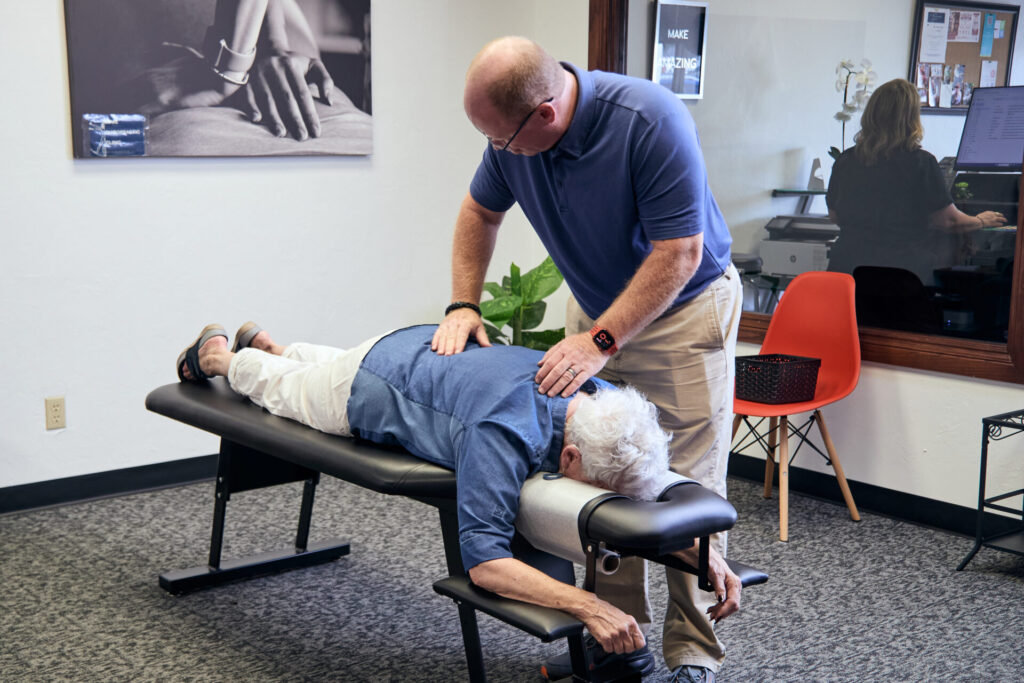
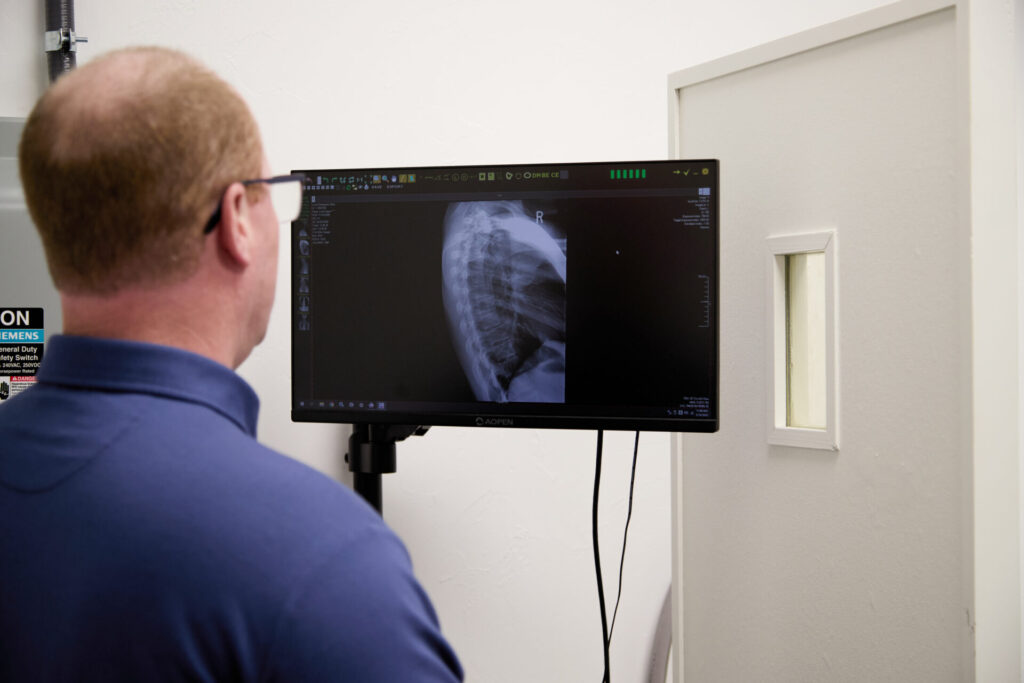
The foundation of the practice centers on restoring natural alignment to your spine, ensuring your central nervous system communicates without interference. Minor structural misalignments create a cascade of neurological and muscular stress, manifesting as stubborn neck tension, chronic lower back pain, and recurring tension headaches. Dr. Lowe brings over two decades of clinical experience and a foundational background in biochemistry to every diagnosis, utilizing precise, biomechanically sound adjustments to relieve deep-seated nerve pressure. Advanced onsite digital imaging allows the team to pinpoint exact structural issues immediately, skipping the hassle of offsite referrals. This highly customized care strategy serves as a premium blueprint for busy professionals and athletes who refuse to let physical degradation compromise their daily output
True systemic recovery requires looking beyond the skeletal frame to address the complex muscular network supporting it. Your healing timeline accelerates dramatically when joint mobilization integrates seamlessly with soft tissue therapy and cellular replenishment. To deliver this comprehensive level of care under one roof, the practice features an elite network of onsite specialists, allowing patients to combine multiple wellness disciplines into a single, high-impact visit.
Patients can incorporate advanced medical massage into their treatment protocols to target chronic muscle memory and deep-seated tension. This specialized modality is expertly executed by their resident soft-tissue specialist, Paige Grellner with Terpsense Bodywork. Targeted clinical bodywork actively flushes out metabolic waste, increases localized blood flow, and restores full range of motion to compromised joints. Merging manual muscle therapy with precise spinal manipulation ensures that your corrective adjustments remain stable and effective over the long term.
Hydration and micronutrient optimization represent the final critical pillars of this multi-disciplinary approach. The Lowe Chiropractic hosts a dedicated intravenous therapy suite managed entirely by their clinical hydration specialist, Kallie McMullen with Mobile IV Nurses. Rapid IV hydration bypasses the digestive tract to deliver essential vitamins, minerals, and fluids directly to the cellular level for immediate utilization. This advanced therapy aggressively combats systemic fatigue, shortens athletic recovery windows, and neutralizes the oxidative stress associated with chronic physical pain.
Investing in your physical longevity should feel like a strategic lifestyle upgrade rather than a medical chore. The team at Lowe Chiropractic completely discards the sterile, assembly-line feel of corporate healthcare in favor of an engaging, deeply customized patient experience. Every protocol is engineered around your specific performance goals, providing the exact structural and biological resources your body requires to thrive. You can confidently step away from temporary symptom management and embrace a high-functioning life defined by total structural balance and enduring physical strength.
Contact the Lowe Chiropractic today to schedule your comprehensive evaluation.
The word biohacking can conjure images of expensive supplements, cold plunges, wearable technology, and elaborate morning routines that take longer than the workday itself. But at its core, biohacking your health does not have to be complicated. It is about paying closer attention to how your body works, making intentional changes, and using reliable information to support better health and longevity.
In Oklahoma City, that approach is becoming easier to explore. From personalized medical care and movement-focused wellness to conversations about longevity science, the local health landscape is expanding beyond the traditional idea of treating problems only after they appear.
The most useful approach to biohacking is also one of the simplest: start with the fundamentals, understand your individual health picture, and add new tools thoughtfully rather than chasing every wellness trend.
What Is Biohacking?
Biohacking generally refers to making deliberate changes to your lifestyle, environment, or health habits in an effort to improve how your body and mind function.
That can sound highly technical, but many forms of biohacking are surprisingly ordinary. Getting consistent sleep, eating nourishing food, exercising regularly, managing stress, tracking health markers, and paying attention to how your body responds to different habits can all fit under the broad umbrella.
Modern biohacking can also include more sophisticated approaches, such as wearable health trackers, continuous glucose monitoring, genetic testing, specialized laboratory work, cold exposure, red-light devices, supplements, and other emerging wellness technologies.
The important distinction is that more advanced does not automatically mean more effective.
A useful biohacking practice should help you understand your health or support a meaningful health goal. If a complicated intervention distracts you from sleep, nutrition, movement, relationships, or appropriate medical care, it may not be the upgrade you were hoping for.
Biohacking Your Health Starts With the Basics
Before buying another wearable or filling your cabinet with supplements, take a look at the foundations of your health.
These habits may not have the novelty factor of the latest wellness trend, but they create the foundation for nearly everything else.
Prioritize quality sleep
Sleep affects energy, mood, cognitive function, physical recovery, and numerous processes throughout the body. Creating a consistent sleep schedule, maintaining a comfortable bedroom environment, limiting excessive evening screen exposure, and addressing persistent sleep concerns can be more meaningful than adding another supplement to your routine.
Move your body consistently
Exercise does not need to be extreme to be valuable. Strength training, walking, cardiovascular activity, mobility work, recreational sports, and other forms of movement can all contribute to a healthier lifestyle.
The best routine is one you can actually sustain.
Build meals around nourishment
Rather than obsessing over individual ingredients or eliminating entire food groups because they are trending online, focus on the bigger picture. Adequate protein, fiber-rich foods, fruits and vegetables, healthy fats, hydration, and a dietary pattern that works for your individual needs are practical places to start.
Pay attention to stress
Stress is part of being human, but chronic stress can affect how you feel and function. Time outdoors, social connection, breathing exercises, mindfulness, hobbies, therapy, and periods of genuine rest can all become part of a more complete approach to wellness.
Know your numbers
Blood pressure, cholesterol, blood glucose, body composition, and other health markers can provide useful information when interpreted appropriately. The goal is not to become obsessed with every number. It is to understand what your health information means in context.
That last point is particularly important. Biohacking should create greater awareness, not greater anxiety.
Biohacking for Movement, Mobility, and Recovery
Your body is designed to move, and physical function is an important part of long-term wellness.
This is where biohacking can become much less about technology and much more about understanding your own body. Are you consistently stiff? Do certain movements cause discomfort? Are you recovering well between workouts? Are you sitting for hours every day? Do old injuries continue to affect how you move?
Those questions can tell you more than a trendy wellness gadget.
Lowe Chiropractic offers chiropractic care in Oklahoma City, with services that include chiropractic care, acupuncture, nutrition, and care related to sports injuries. The practice describes its sports injury approach as focusing on mobility, pain reduction, biomechanics, balance, recovery, and helping athletes return to activity.
For someone interested in biohacking their health, improving movement quality can be a practical place to focus. A body that moves well can make everyday activities, exercise, and recreational pursuits more enjoyable.
Of course, persistent pain or injury deserves appropriate professional evaluation rather than being treated as something to simply “hack” away.
What About Wearables, Supplements, and Other Biohacks?
There is a place for technology and targeted interventions, but context matters.
Wearables can help you notice patterns in activity, sleep, heart rate, or other metrics. That information can be useful when it encourages healthier habits or gives you meaningful questions to discuss with a healthcare professional.
Supplements can also have a role for people with specific nutritional needs or deficiencies, but “natural” does not automatically mean necessary or risk-free.
Before adding a new intervention, consider:
What am I actually trying to improve?
Is there credible evidence that this intervention can help?
Do I understand the potential risks or side effects?
Could it interact with medications or other supplements?
Am I addressing the basics first?
Will I be able to tell whether it is actually helping?
This simple checklist can keep biohacking from turning into an expensive collection of experiments.
The New Conversation Around Longevity
Biohacking is often closely associated with longevity, and that conversation is evolving quickly.
The focus is increasingly moving beyond simply trying to live longer and toward understanding how people can maintain health and function as they age.
Oklahoma City recently became part of that conversation through the Oklahoma Health & Wellness Summit, presented by the Healthy City Initiative. The 2026 two-day event brought together physicians, scientists, innovators, business leaders, and community members around preventive health, longevity, and actionable approaches to improving health.
The Summit’s programming included topics such as aging biology, metabolic health, hormone health, genetics, nutrition, emotional energy, biological age testing, and the future of AI in healthcare.
That breadth is important because longevity is not one single intervention. It is a conversation involving many interconnected aspects of health.
The Healthy City Initiative’s broader vision is to bring science, medicine, and community together to help Oklahoma City become a healthier place to live.
For local residents, that creates an opportunity to think about biohacking beyond personal optimization. Your health exists within a larger community, and access to credible health education can influence how people make decisions for themselves and their families.
How to Start Biohacking Your Health in OKC
You do not need to completely reinvent your life to begin.
Start by choosing one area you genuinely want to understand better. Maybe you are exhausted despite getting enough time in bed. Maybe you want to improve your strength and mobility. Maybe you want to better understand your metabolic or hormonal health. Or perhaps you simply want to develop healthier habits that will support you for decades.
From there, take a measured approach:
Identify your goal. Be specific about what you want to improve.
Establish a baseline. Look at your current habits, symptoms, fitness, sleep, and relevant health information.
Start with fundamentals. Focus on sleep, nutrition, movement, hydration, stress management, and connection.
Seek qualified guidance when appropriate. A healthcare professional can help you understand individual health concerns and determine what deserves further investigation.
Change one thing at a time. This makes it easier to understand what is actually helping.
Track meaningful progress. Pay attention to how you feel and function, not just numbers on an app.
Reassess. Your health changes throughout your life, so your approach can change with it.
This is where the concept of biohacking becomes much more approachable. You are not trying to become a different person overnight. You are learning how your body responds to thoughtful choices and using that information to care for yourself more intentionally.
The Best Biohack May Be Paying Attention
Health optimization does not have to mean pursuing every new technology, treatment, or trend.
Sometimes the most meaningful “hack” is noticing that you have been running on too little sleep. It may be finally addressing an old injury, making time for regular movement, asking better questions at your next doctor’s appointment, or learning what your health numbers actually mean.
And sometimes, it is recognizing that you do not have to figure everything out alone.
Oklahoma City has an increasingly diverse network of professionals and organizations helping people think differently about health, from personalized medical care at Shared Wellness MD to movement and recovery support at Lowe Chiropractic and larger community conversations through the Oklahoma Health & Wellness Summit.
The goal is not perfection. It is greater awareness, better information, and small choices that help you feel more connected to your own health.
If you are curious about how to biohack your health, start where you are. Choose one meaningful goal, find reliable guidance, and give yourself permission to build your wellness routine one thoughtful step at a time. Your health is not a project you have to perfect. It is something worth caring for, understanding, and supporting throughout every stage of life.
When pain, injury, or limited mobility starts getting in the way of everyday life, orthopedics can play an important role in helping people understand what is happening and what comes next. From weekend athletes and active families to people navigating arthritis, joint pain, or age-related changes, orthopedic care encompasses far more than surgery. It is about movement, function, recovery, and helping people get back to the activities that make life feel like their own.
Fortunately for Oklahoma City residents, the local orthopedic community includes physicians and specialists with expertise across sports medicine, joint care, injuries, and musculoskeletal health. These health experts are helping shape a more informed approach to physical wellness, one that emphasizes personalized treatment and getting patients moving again.
What Does Orthopedics Actually Cover?
When most people hear the word orthopedics, they may immediately think of broken bones or joint replacement. While those are certainly part of the field, orthopedic medicine is much broader.
Orthopedic specialists diagnose and treat conditions affecting the musculoskeletal system, including the bones, joints, muscles, ligaments, tendons, and other structures that help the body move and function.
Depending on the practice and specialty, orthopedic care may address concerns involving:
Knees and hips
Shoulders and elbows
Hands and wrists
Feet and ankles
Sports and recreational injuries
Arthritis and degenerative joint conditions
Fractures and trauma
Ligament and tendon injuries
Chronic joint or musculoskeletal pain
Spine conditions and related concerns
That breadth is one reason finding the right specialist matters. A person dealing with a torn ACL may need a very different approach from someone managing years of knee arthritis, even though both conditions affect the same joint.
Modern orthopedics also includes both surgical and nonsurgical care. Depending on the condition, treatment may involve rehabilitation, physical therapy, medication, injections, activity modification, or surgery.
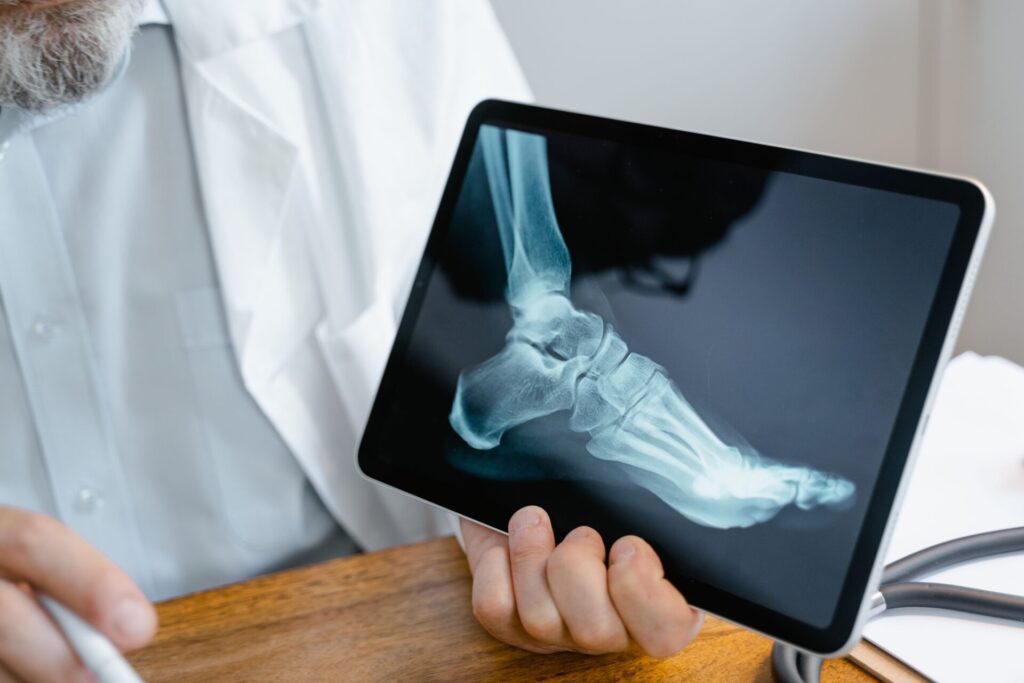
The goal is not simply to treat an image on an X-ray or MRI. It is to understand how a condition is affecting the person attached to it.
Dr. Uhland is an orthopedic surgeon who completed medical school at Oklahoma State University College of Osteopathic Medicine in Tulsa and residency at St. Anthony Hospital in Oklahoma City. He is board certified by the American Osteopathic Board of Orthopedic Surgery.
His work is part of a larger Oklahoma City Orthopedics practice that provides care for conditions affecting major joints and extremities, with specialties that include knee, shoulder, elbow, foot and ankle, hand, and sports medicine.
The practice’s approach combines surgical and nonsurgical treatment options, with the goal of determining an appropriate course of care based on the patient’s condition and goals.
That individualized mindset is particularly important in orthopedic medicine. Two people with the same diagnosis may have different activity levels, responsibilities, health histories, and goals for recovery. Treatment should take those differences into account.
Orthopedics Isn’t Just for Athletes
One of the biggest misconceptions about orthopedics is that it is primarily for people who play sports.
Sports medicine is certainly an important part of the field, but orthopedic specialists also care for people experiencing everyday musculoskeletal concerns.
Consider someone whose knee hurts every time they climb stairs. Or someone whose shoulder pain makes it difficult to sleep. Perhaps arthritis has gradually made a favorite activity uncomfortable, or an old injury has started affecting movement years later.
These concerns can have a ripple effect.
Pain can change how someone walks. Limited mobility can make exercise less appealing. Reduced activity can affect strength and endurance. And when movement becomes uncomfortable, people may begin avoiding activities they once enjoyed.
That is why orthopedic health can be closely connected to overall wellness.
Seeking appropriate care does not necessarily mean that surgery is around the corner. In many cases, understanding what is causing the problem is the first step toward identifying conservative treatment options.
Knowing When to Talk to an Orthopedic Specialist
Not every ache requires an orthopedic appointment. Everyday soreness can be part of normal activity, especially after trying something new.
However, certain symptoms may be worth having evaluated, particularly when they persist or interfere with daily life.
Consider seeking professional guidance if you experience:
Persistent joint or muscle pain
Swelling that does not resolve
Repeated instability or a feeling that a joint is giving way
Pain that limits exercise or everyday activities
A significant sports or recreational injury
Difficulty bearing weight after an injury
Reduced range of motion
Pain that continues despite rest or basic self-care
For athletes and highly active people, a nagging injury can be especially easy to dismiss. But continuing to train through certain injuries can potentially complicate recovery.
OKC Orthopedics specifically encourages athletes and recreationally active individuals not to leave painful or nagging injuries untreated. Its sports medicine services address injuries ranging from sprains and strains to fractures, dislocations, ligament damage, and muscle tears.
The Goal Is More Than Getting Out of Pain
Pain relief matters, but orthopedic care can be about something bigger: function.
What do you want to be able to do again?
Maybe it is playing pickleball with friends. Walking the neighborhood. Picking up your grandchild. Returning to a favorite workout. Getting through a workday without constantly thinking about your shoulder. Traveling comfortably. Sleeping without being woken by joint pain.
These goals provide important context for treatment.
For example, OKC Orthopedics describes its sports medicine care as serving high school, college, and professional athletes as well as people who maintain active lifestyles. Its specialists treat common injuries while helping patients return to the activities they value.
Similarly, OSSO describes its orthopedic and sports medicine services around restoring mobility and helping patients stay active and thrive.
The language may differ between practices, but the underlying idea is familiar: successful orthopedic care should be connected to real life.
A More Personalized Future for Orthopedic Care
The future of orthopedics is not simply about doing more procedures. It is also about making diagnosis, treatment, rehabilitation, and follow-up more connected to the individual.
Technology has expanded the ways physicians can evaluate injuries and conditions. Advanced imaging can provide detailed information about the body’s structures, while minimally invasive procedures can offer surgical options for certain patients. Rehabilitation and physical therapy can help restore strength and mobility after injury or surgery.
At the same time, the human component remains essential.
A scan cannot tell a doctor everything about what it means to live with an injury. A treatment plan needs to account for a patient’s goals, lifestyle, concerns, and expectations.
That balance between advanced medicine and individualized attention is helping shape the next chapter of orthopedic care in Oklahoma City.
Keeping Oklahoma City Moving
A healthy city is one where people can participate in the lives they want to live.
For some, that means competitive athletics. For others, it means walking the dog, gardening, lifting weights, playing with their children, or simply moving through the day without persistent pain.
The health experts working in OKC orthopedics play an important role in supporting those goals. Practices like OSSO are creating coordinated pathways across multiple orthopedic and specialty services, while physicians like Dr. Zane Uhland are providing specialized orthopedic care for patients throughout Oklahoma.
Orthopedic medicine may deal with bones, joints, muscles, and connective tissue, but ultimately, it is about people and what they want their bodies to help them do.
If pain, injury, or limited mobility has started changing the way you live, you do not have to simply accept it as your new normal. Talk with a qualified healthcare professional about what you are experiencing and what options may be appropriate for you.
Whether your goal is to return to the field, get back to your favorite weekend activity, move more comfortably, or simply feel confident in your body again, the right care can be an important part of the journey.
Your health is worth paying attention to, and getting help when you need it is not a setback. Sometimes, it is the first step toward moving forward.
Why Leaf Removal and Window Cleaning Go Hand in Hand to Create a Beautiful and Healthy Living Environment Inside and Out
By Fit City Mag
Oklahoma City autumns are too beautiful to spend staring through dirty windows at a lawn buried in debris. While fallen leaves look great in the neighborhoods, they quickly shift into a serious home health hazard once they settle against your property. Trapped moisture against woodwork, brick, and stone creates an immediate breeding ground for mold, wood rot, and permanent staining. This organic buildup behaves like a magnet for environmental allergens, directly impacting both the structural integrity of your house and the health of your living spaces. Neglecting these exterior surfaces during the seasonal shift allows micro-toxins to slowly migrate toward your entryways and ventilation points. Maintaining a pristine perimeter acts as your first line of defense, preserving indoor air purity while ensuring your investment retains its peak baseline value.
Pairing a thorough yard cleanup with professional exterior window wash services provides essential preventative care for your household. Clean windows maximize the natural sunlight flooding into your rooms, boosting indoor wellness and mood as daylight hours shorten. This strategic combination ensures you enjoy crystal-clear views while actively maintaining a vibrant, healthy environment inside and out. High-end properties require specialized attention to prevent the accumulation of abrasive seasonal dust that scratches premium glass coatings over time.
Tackling this seasonal transition becomes completely stress-free when relying on trusted local expertise to handle the heavy lifting. Capital City Cleaning offers high-impact exterior solutions tailored specifically to the unique seasonal shifts in the metro area. Homeowners can comfortably preserve their property investments and enjoy beautiful fall living by following a proactive maintenance timeline before winter arriving. Utilizing commercial-grade soft-washing techniques eliminates deep-seated spores without risking surface degradation, leaving your home entirely refreshed, sanitized, and structurally sound for the months ahead.
The 5-Step Exterior Checklist for Total Home Health
1. Gutter Clearing and Downspout Flush Remove fallen leaves and twigs before late autumn rains arrive. Clogged pathways cause water to back up under roofing and spill over onto foundations, causing expensive structural damage during the freezing months.
2. Siding Soft-Wash and Scrub Wash away accumulated summer dust, pollen, cobwebs, and insect nests. A gentle exterior soft-wash prevents destructive mold and mildew from permanently staining siding, brick, or stucco during damp late-fall weeks.
3. Hardscape Deep Clean and Concrete Seal Pressure wash driveways, sidewalks, and patio pavers to eliminate embedded organic matter. Sealing concrete surfaces prevents trapped moisture from freezing, expanding, and creating unsightly cracks during winter.
4. Meticulous Lawn and Patio Leaf Removal Clear heavy leaf blankets off grass and wooden decks completely. Keeping these areas bare prevents lawn suffocation and stops acidic, wet organic matter from rotting expensive deck stains and patio materials.
5. Premium Window and Screen Refresh Clean exterior glass surfaces thoroughly while washing out window tracks and screens. Sparkling windows allow maximum natural light to enter your home, elevating indoor air quality and daily mood.
Don’t wait for the first freeze to address your property’s exterior health. Contact Capital City Cleaning today to secure your fall maintenance slot.
Your natural teeth are completely irreplaceable assets to your health, confidence, and daily quality of life. Nature engineered dental enamel to be incredibly resilient, functioning as a perfect biological framework for a lifetime of chewing, speaking, and smiling. Preserving this original structure is the single most important factor in maintaining oral health as you age. At Intentional Smiles, this philosophy guides every clinical decision. Led by Dr. Taylor Barton, his team prioritizes conservative restorative dentistry, a relationship-based approach that focuses on saving as much of your healthy, natural tooth structure as possible.
Conservative dentistry focuses on minimal intervention and maximum preservation. When a tooth experiences minor decay or wear, traditional methods might jump straight to aggressive treatments like full-coverage crowns, which require removing a significant amount of healthy enamel. Dr. Barton utilizes a minimally invasive approach instead.
“My focus is reversing the signs of age, disease and pain in the mouth and smile,” says Dr. Barton. “I utilize as many non invasive, regenerative and biocompatible restorative options as I possibly can for every case.”
By employing advanced bonding materials and precise localized restorations, he repairs damage while leaving the surrounding healthy tooth untouched. This protective strategy breaks the cycle of repetitive, heavy dental work, securing the long-term strength of your smile. This dedication to preservation integrates beautifully with modern cosmetic dentistry. Achieving a radiant look does not require compromising the health of your mouth.
“Cosmetic dentistry is a simple concept as a cosmetic focused dentist,” Dr. Barton explains. “I do not choose between providing enhanced beauty versus functional dentistry. Every case is a cosmetic case.”
Through artistic composite bonding and ultra-thin porcelain restorations, Intentional Smiles can beautifully enhance your appearance without aggressive reshaping. Dr. Barton and his team can correct chips, close spaces, and brighten your smile while keeping your natural enamel safe and sound.
Choosing this conservative approach also transforms your actual experience as a patient. Because our care is centered on long-term relationships rather than quick transactions, Dr. Barton takes the time to study your unique oral ecosystem. We monitor minor issues closely and focus on preventive strategies, ensuring you never feel rushed into unnecessary procedures. This meticulous care gives you complete peace of mind and total clarity regarding your treatment plan.
Keeping your natural teeth intact protects your bite, maintains your jawbone health, and prevents the need for complex, costly replacement options down the road. Your smile deserves an investment that respects its natural design. By choosing minimal intervention and personalized care, you can enjoy a strong, beautiful, and healthy smile for decades to come.
Intentional Smiles is currently welcoming new patients who value a thoughtful, customized approach to lifelong dental wellness. Contact Intentional Smiles today to schedule your comprehensive consultation with Dr. Barton.