

Sleep is more than a nightly routine. It is the cornerstone of mental, emotional, and physical health. Yet in today’s world, quality rest feels harder than ever to achieve. Busy schedules, constant screen exposure, and chronic stress leave many people waking up tired despite spending hours in bed.
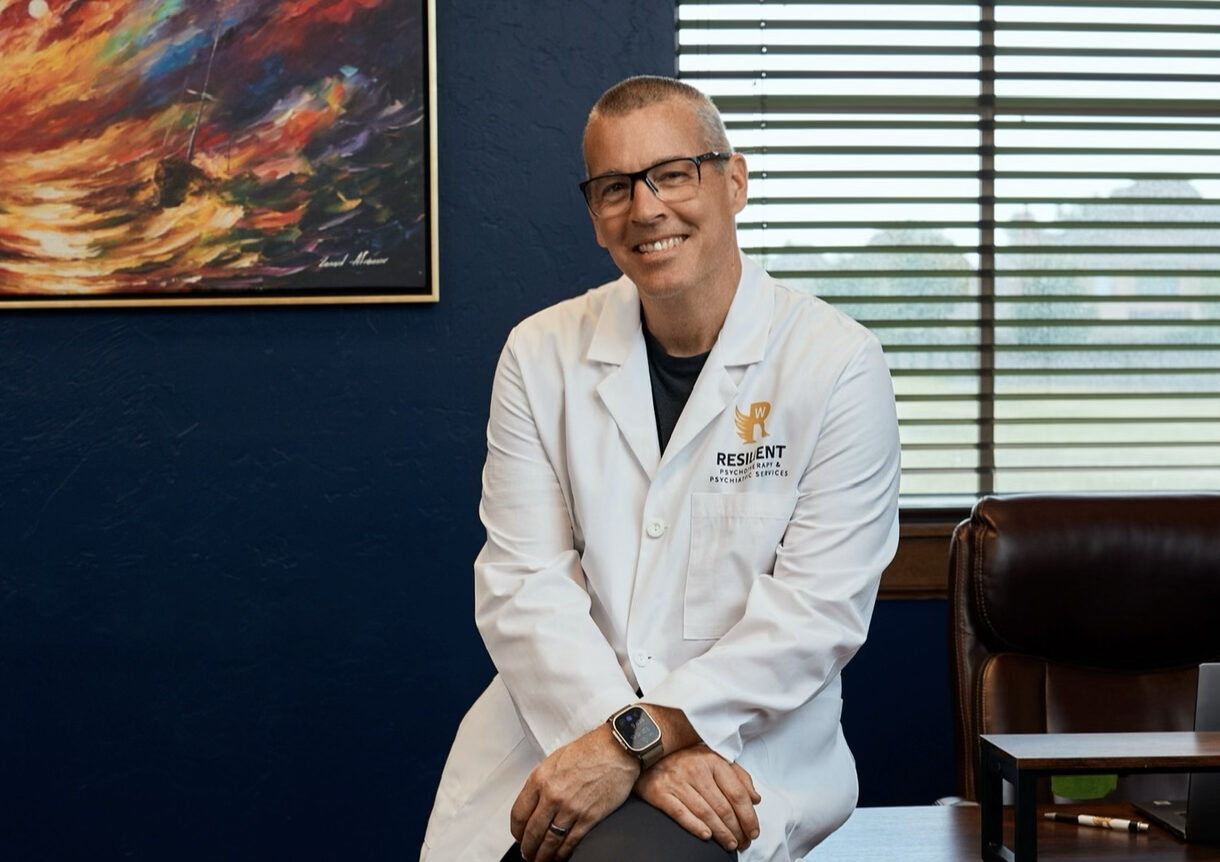
“Most of us grow up believing we should be able to go to bed at ten and wake up refreshed at six,” says Dr. Sean Whelan. “When that doesn’t happen, we blame ourselves for caffeine, screens, or stress. But the truth is, perfect sleep is rare. It’s more like hitting a personal record in the gym than an everyday expectation.”

Good sleep is essential for brain health, emotional balance, and physical recovery. When we rest well, our minds process information clearly, our bodies repair efficiently, and our moods remain steadier. Consistent rest builds resilience and helps us better manage the demands of daily life.
According to Dr. Whelan, even with all the technology and resources available, achieving perfect sleep is nearly impossible. He points to tech entrepreneur Bryan Johnson, who famously spends millions each year optimizing his rest. “He has a temperature-controlled room, sensors, and even adaptive bedding,” Dr. Whelan explains. “Yet even he only achieved fourteen nights of perfect sleep in a row. That should tell us how rare perfection is.”
While flawless sleep may not be realistic, improving it absolutely is. Experts recommend starting with two foundational steps: maintaining a consistent sleep schedule and spending enough time in bed. “Adults still need eight hours,” Dr. Whelan emphasizes. “People who genuinely need less make up only about three percent of the population, so most of us can’t claim to be the exception.”
Environment also matters. A cool, dark, and quiet room helps signal the body to rest, though Dr. Whelan notes that comfort is personal. “If the sound of your spouse or even your dog breathing helps you relax, that’s fine. Just make sure your sleep tracker agrees with you.”
Other small adjustments can make a meaningful difference: limit caffeine after mid-afternoon, avoid using alcohol as a sleep aid, and resist the temptation to set your alarm too early. “Waking up out of deep sleep feels awful, so people set alarms early to soften the blow,” Dr. Whelan says. “But all that does is rob you of the most restorative part of your rest.”
Sleep disruption and mental health are deeply connected. Chronic sleep loss can worsen anxiety, depression, and stress, while improving sleep often becomes one of the first steps toward emotional well-being. For some, medication can also play an important role. The right prescription, at the right dose, can restore balance and significantly improve both sleep and mood when paired with therapy and lifestyle changes.
At Resilient Psychotherapy & Psychiatric Services, the team takes a personalized approach to care, helping clients identify the root causes of poor sleep and guiding them toward lasting improvement. Therapy, medication management, and supportive follow-up are all part of a comprehensive plan designed to help patients feel rested, balanced, and more in control of their health.
“Sleep disruption remains a chronic challenge in our culture, even though we know how essential it is for recovery, cognitive and emotional stability, and muscle repair,” says the team at Resilient Psychotherapy & Psychiatric Services.
Improving sleep is one of the most powerful ways to strengthen both mind and body. To learn more about personalized therapy and psychiatric care, visit Resilient Psychotherapy & Psychiatric Services in Oklahoma City or schedule a telehealth consultation today.
5708 NW 135th St, Suite C, Oklahoma City, OK 73142
(405) 225-0010
@resilientpsychotherapy
Photos by Charlie Neuenschwander