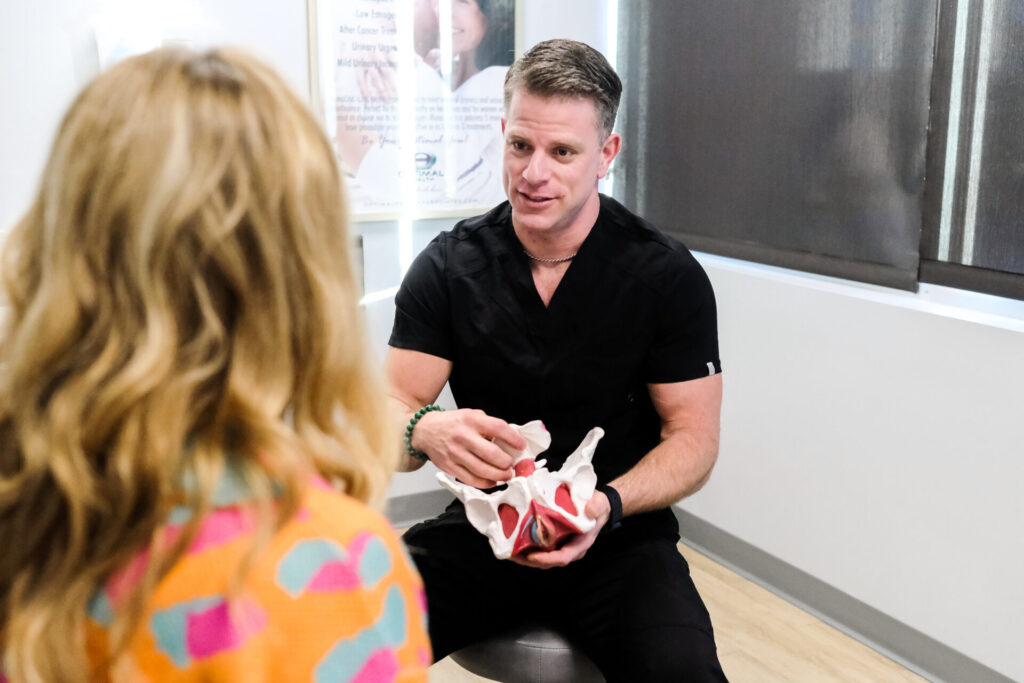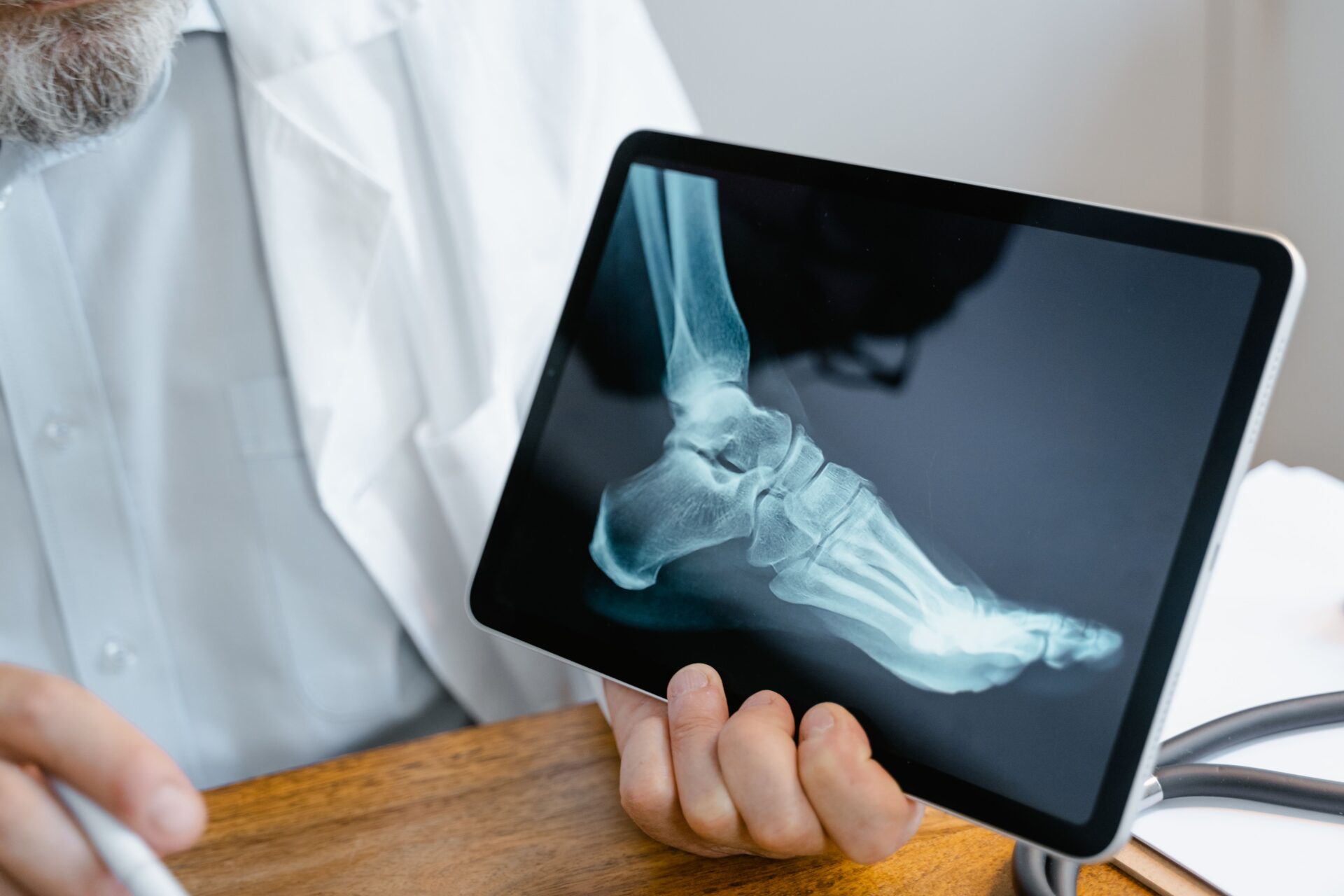


Pudendal Nerve Stimulator (PNS) is an emerging and highly promising therapy for individuals suffering from chronic pelvic pain and pudendal neuralgia. The pudendal nerve, which stems from the sacral nerve roots (S2–S4), controls movement and sensation in key pelvic areas. When this nerve becomes damaged or entrapped, patients often experience persistent pain while sitting, genital burning, genital tingling, genital numbness, and even bladder, bowel, or sexual dysfunction.
How Peripheral Nerve Stimulation Works
Peripheral Nerve Stimulation (PNS), also known as pudendal nerve stimulation, involves placing a small electrode adjacent to the pudendal nerve—typically accessed using real time xray guidance in the deep pelvis. Once implanted, a wearable device delivers gentle, pulsed electrical signals that modulate nerve activity and block pain transmission to the brain. Clinical trials support its effectiveness, with many patients reporting significant pain reduction, decreased reliance on pain medications, and improved quality of life.
Where It Fits in Care
Pudendal nerve stimulation is typically reserved for patients who have not found relief through conservative methods such as medication, physical therapy, nerve blocks, or surgery. It is especially valuable when a nerve block provides temporary relief, indicating that neuromodulation may offer long-term benefits.
Patient Selection and Procedure {Design note – block in orange}
Ideal candidates for this treatment include individuals who:
- Have been diagnosed with pudendal neuralgia
- Experienced temporary relief from a pudendal nerve block
- Have not responded to traditional therapies for pelvic and genital pain
The procedure is minimally invasive and performed on an outpatient basis. The stimulator generator and lead while implanted under the skin are externally powered, which means patients do not require internal batteries.

Recovery, Safety, and Clinical Support
Patients are generally able to resume normal activities shortly after implantation. However, certain movements, such as excessive bending or stretching, should be avoided during the early weeks to reduce the risk of the lead moving in the pelvis. The treatment is well tolerated, and adverse events are rare and typically mild, such as temporary discomfort or site irritation. A growing body of research supports the use of pudendal nerve stimulation for managing chronic pelvic pain, showing sustained pain relief, improved function, and enhanced emotional well-being in a high percentage of patients. The pudendal nerve stimulator system is uniquely designed to be flexible and customizable, offering targeted stimulation of various peripheral nerves, including the pudendal nerve.
Where to go for Treatment
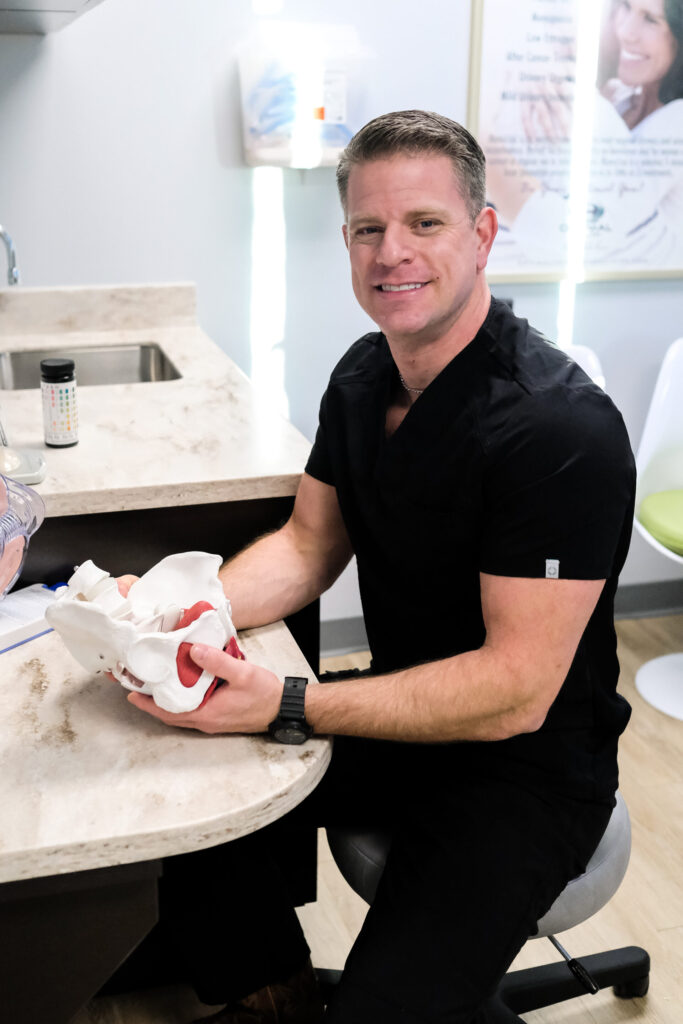
Dr. Benjamin Barenberg, a fellowship-trained and board-certified urogynecologist in OKC, has incorporated pudendal PNS into his treatment approach for patients with chronic pelvic pain. With advanced training in minimally invasive pelvic surgery and pelvic floor disorders, Dr. Barenberg now offers Pudendal Nerve Stimulator (PNS) to carefully selected patients.
“The pudendal nerve stimulator offers a new minimally invasive option for those with refractory pelvic pain,” says Dr. Barenberg. “The best part is I don’t have to convince you of how well it works — the test phase lets you take the device for an effectiveness test drive prior to full implantation. It gives you the opportunity to make a clinical judgment for yourself with real-time therapy feedback.”
Individuals typically undergo this trial phase to determine if the device offers sufficient relief before committing to permanent implantation. This approach ensures that patients move forward with confidence, backed by their own experience and results.
Pudendal nerve stimulation offers a transformative solution for individuals living with chronic pelvic pain. As more providers like Dr. Barenberg bring this therapy into their practice, patients in the Oklahoma City metro have increased access to non-opioid, long-term pain relief. The partnership between expert clinical care and cutting-edge technology is changing what’s possible for those suffering from one of the most complex and debilitating forms of pelvic pain.
To learn more about this treatment or find out if you are a candidate, visit doctorbokc.com or call 405-992-3080
@doctorb_okc